Brown edges are a symptom to investigate, not a diagnosis with one universal cure. A dry rim on a leaf can follow inconsistent moisture, unsuitable conditions, root trouble or excess soluble salts. Some plants are also sensitive to particular components of irrigation water. Several of these problems can exist together, which is why a new watering schedule or a bottle of fertilizer may miss the cause.
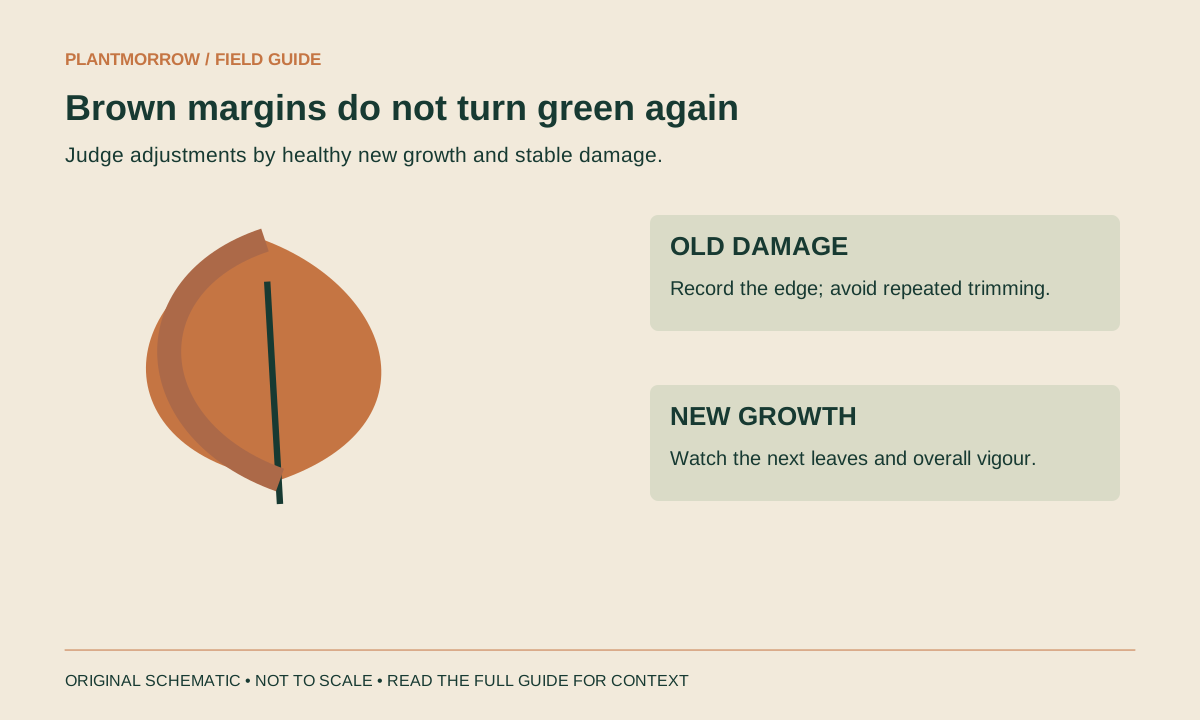
The damaged tissue will not become green again. The useful goal is to protect the foliage that still functions and prevent the same injury on later growth. These case files show how to narrow the possibilities using the plant's identity, the pattern of damage and the conditions around its roots.
Intake notes: describe the edge before treating it
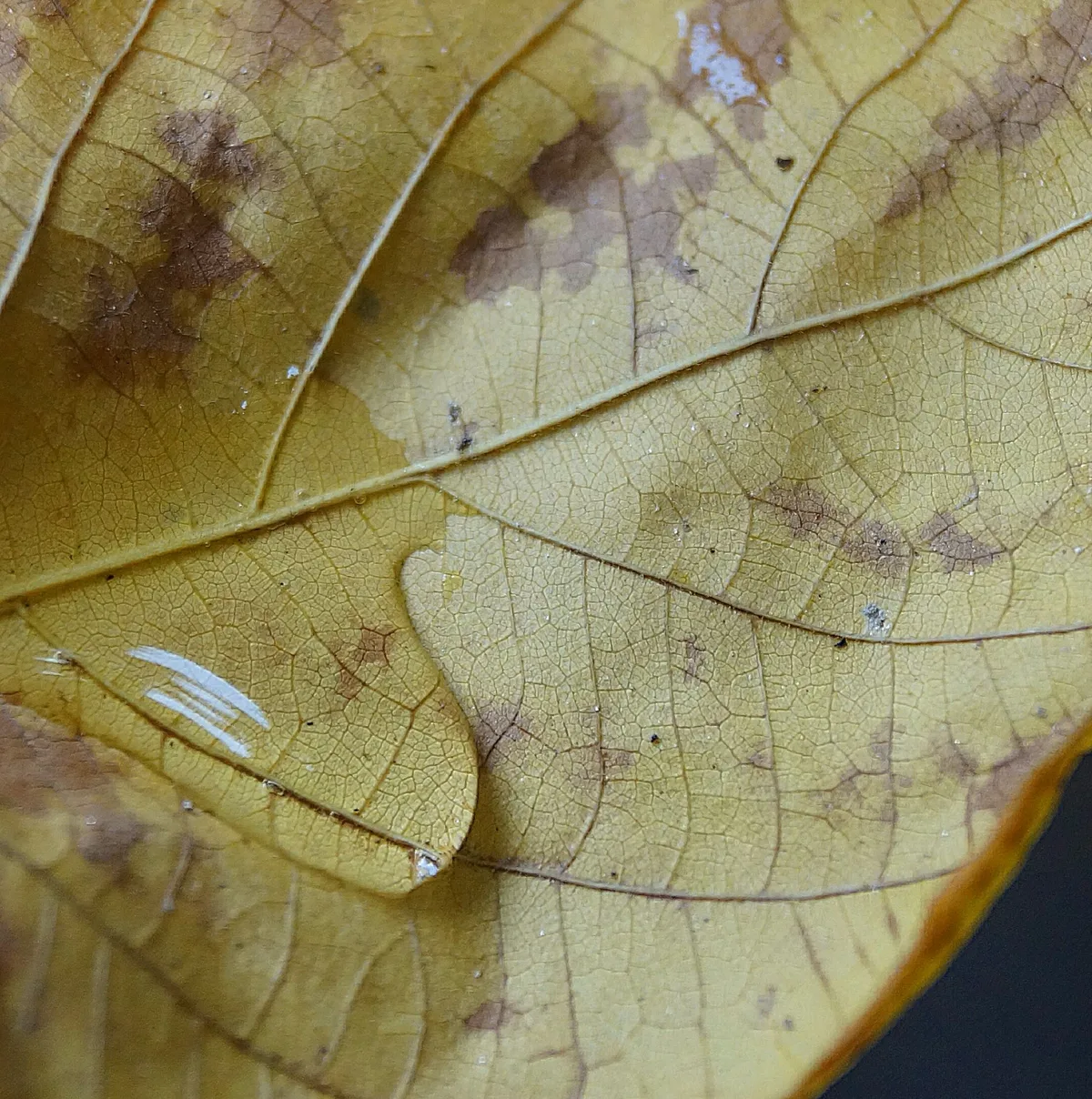
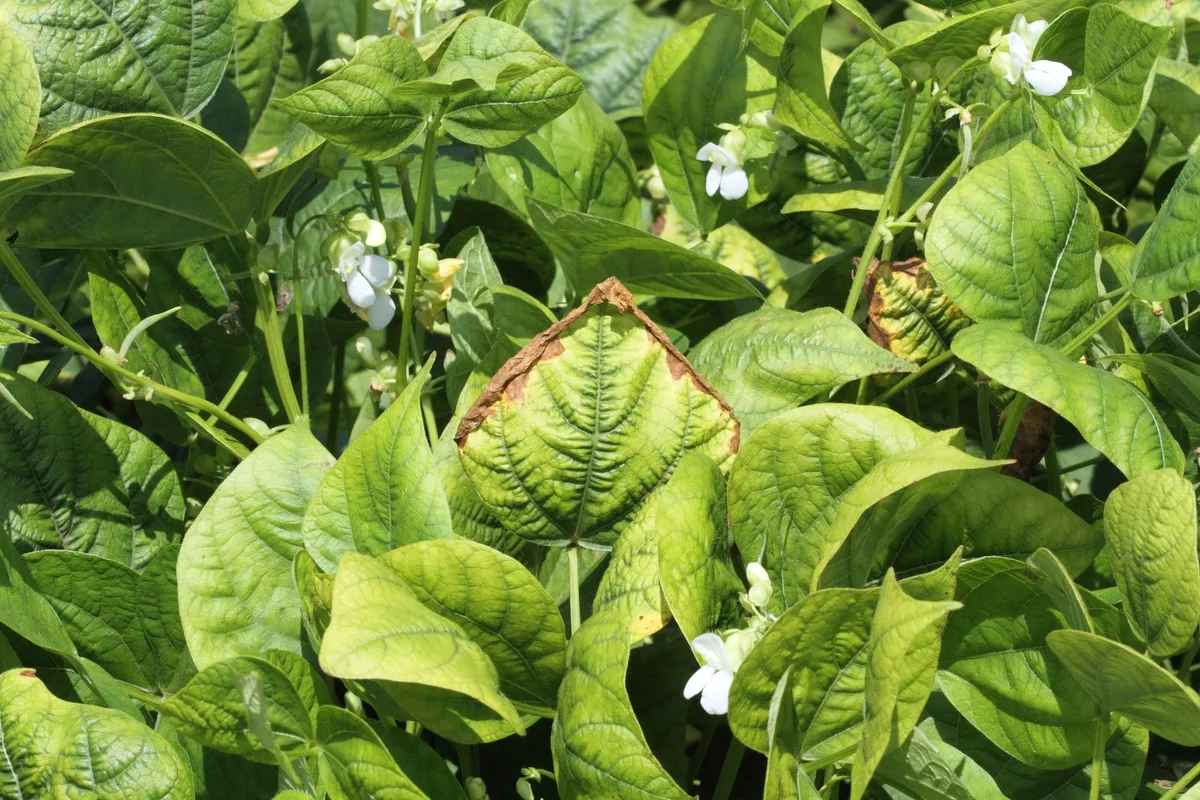
Start with a whole-plant photograph and a close view of one affected leaf. Note whether the damage is a tiny tip, a narrow margin or a broad patch. Look at which leaves are involved: old, new, outer, shaded or facing the window. Record whether the tissue is dry and papery, soft, translucent or surrounded by a distinct discoloured area.
Write down the plant's name if you know it. A few brown tips on a spider plant deserve a different conversation from rapidly spreading soft lesions on an unfamiliar plant. Species affects moisture needs, environmental tolerances and the interpretation of leaf ageing. If identification is uncertain, keep that uncertainty in your notes rather than filling it with a guessed care routine.
Inspect the container before assuming that the room air is responsible. Check root-zone moisture, drainage holes, standing water and recent fertilizer applications. The overwatering or underwatering comparison explains why a dry surface or a brown leaf alone cannot settle the watering question.
Case file one: the pot that repeatedly becomes very dry
Evidence that supports a moisture problem
Imagine a hypothetical foliage plant whose margins began browning after several missed checks. The pot is much lighter than after watering, and dryness extends through the root ball. Its leaves have also lost firmness. Together, those observations support investigating drought stress. A crisp margin by itself would have been much weaker evidence.
Ask why the container is drying that way. The plant may have grown, the room may be warmer or the light exposure may have changed. A crowded root ball can leave little mix to store water. Alternatively, irrigation may run past a shrunken dry plug without wetting its centre. Each explanation suggests a different adjustment.
A useful response
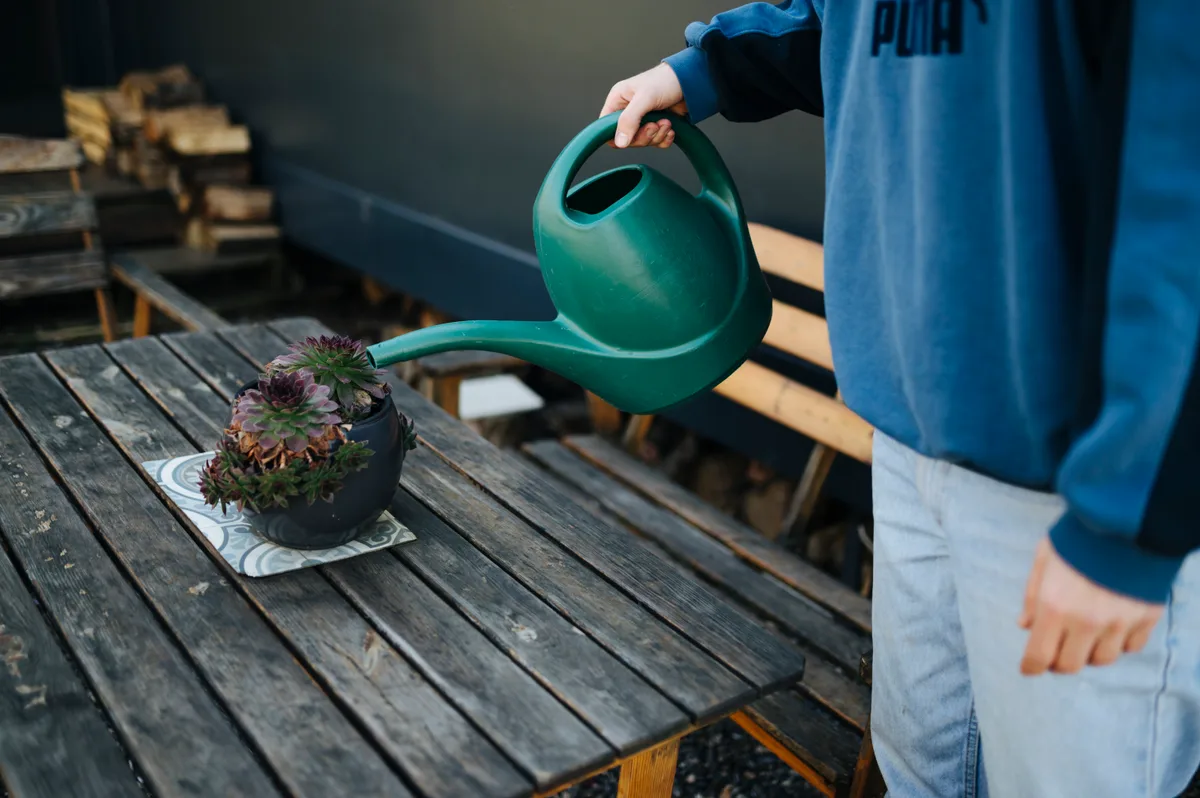
Restore appropriate moisture using a method that actually wets the root ball and lets excess water drain. Check the result rather than judging by water appearing in the saucer. Very dry material may need careful repeated applications. Do not leave the pot submerged indefinitely or create a permanent reservoir that the plant was not grown to tolerate.
Then change how you decide when to water. Use the species' needs and repeated root-zone observations, with pot weight as a useful comparison. A calendar reminder can prompt an inspection; it should not force water into a container that is still wet. The old brown edges remain, so judge progress by whether damage continues and how later leaves develop.
Case file two: brown margins above a persistently wet root ball
Why adding water can make the investigation harder
A second hypothetical plant has similar brown edges but a heavy pot, wet mix and water trapped inside a decorative container. The leaves look stressed, yet a shortage of water in the pot is not the obvious problem. Roots need an appropriate environment to function; prolonged saturation can compromise that environment and may accompany decay.
Inspect for other evidence: lower leaves yellowing, a deteriorating stem base or roots that have lost their normal firm structure. Root colour alone is not decisive because healthy roots vary between plants and can be stained by mix. If you remove the plant for inspection, handle it carefully and avoid repeatedly exposing otherwise sound roots.
A useful response
Remove trapped water and correct obvious drainage problems. Decide whether root inspection or repotting is justified by the evidence. A plant with major root loss needs a different recovery plan from one whose roots remain sound. The root rot case files discuss those distinctions without promising that every affected plant can recover.
Do not feed a struggling wet plant simply because its leaves look poor. Fertilizer does not repair a damaged root system. Also avoid aiming a hot fan at the foliage or repeatedly disturbing the pot in an attempt to force it dry. Correct the conditions and observe the plant's response, seeking help if the decline is rapid or extensive.
Case file three: dry air, hot airflow and an unsuitable position
Separate the room from the plant's immediate surroundings
A plant beside a heater can experience conditions unlike those at the centre of the room. A sunny window, cold pane or frequently opened door can create a similarly local exposure. Note where damage occurs and whether the timing matches a move, a heating season or a change in direct sun.
Low humidity can contribute to tip and edge browning in susceptible houseplants, but that possibility does not excuse skipping the root check. Dry air and a dry pot can occur together; so can dry air and overwatering. If you have a humidity reading, record where and when it was taken. One reading elsewhere in the room may not represent the plant's position.
A useful response
Move the plant away from a specific damaging draft while retaining light suited to its species. Make a considered adjustment rather than shifting it between extreme positions each day. If the species consistently struggles in the available environment, choosing a better-suited plant may be more practical than trying to reshape the whole room around it.
Do not expect occasional misting to reverse damaged margins or provide a stable humidity environment. Likewise, adding water to already moist mix does not directly solve an air-humidity problem. Our houseplant light guide helps describe exposure more precisely before you change the position.
Case file four: the feeding history and mineral question
Reconstruct what went into the pot
Review the product, concentration, frequency and timing of fertilizer applications. Include any slow-release material already present in the mix. A plant can receive more fertilizer than intended when several products overlap. Visible deposits on the pot or mix can prompt questions, but deposits alone do not prove the specific cause of a brown margin.
Iowa State Extension includes soluble salts and irrigation-water sensitivity among possible causes of tip injury. These possibilities matter particularly when the plant's identity and care history support them. They are not a reason to declare that every brown tip is caused by tap water, nor to add another mineral supplement without evidence.
A useful response
Pause unnecessary feeding while you clarify the problem, then follow appropriate product directions and the plant's growth needs. Do not use fertilizer as a general rescue treatment. If soluble salts are suspected, obtain advice about the mix, drainage and whether careful leaching or replacing unsuitable material is appropriate for that plant.
For a sensitive species, review local water information and the water source you actually use. A change to a suitable lower-mineral source may be reasonable when the evidence supports it. Distilled or rainwater is not automatically the answer for every pot, and collecting rainwater does not remove all questions about water quality or storage.
Case file five: the pattern does not fit an ordinary tip problem
Brown tissue can also follow direct injury, excessive light, cold exposure or disease. Look beyond the word brown. Irregular patches, affected stems, visible insects or soft spreading lesions may need a broader investigation. A leaf rubbed against a window or damaged during transport is not equivalent to many leaves developing new margins over time.
If insects, sticky residue, cottony deposits or fine webbing are present, inspect closely before treating. The houseplant pest atlas explains what information helps identification. If you cannot find a pest, do not spray the plant merely because the symptom is unexplained.
Where disease is possible, separate the plant while seeking a clearer identification and avoid splashing suspect material onto others. A photograph may support advice but cannot identify every pathogen. Ask a local extension service what images or samples it needs. Keep the recent care record available so that cultural injury and disease can both be considered.
Close the case with a small, measurable plan
Choose the strongest evidence and make the change it supports. For example, correct trapped water, improve an unsuitable position or stop an excessive feeding routine. Do not change the water source, pot, mix, fertilizer and location simultaneously unless several clear problems require correction. Multiple speculative changes make the next observation harder to interpret.
Photograph a few representative leaves before any cosmetic trimming. At the next checks, compare the boundary of existing damage and inspect previously unaffected leaves. Record new growth separately. New foliage may emerge slowly, so an absence of immediate visible improvement is not proof that the adjustment failed. Continuing damage, however, is a reason to reassess.
Check the practical details too. A saucer may refill after you thought drainage had finished. A helper may keep adding water while you are monitoring. A timer may apply fertilizer without your noticing. Write the current care instructions somewhere everyone tending the plant can see them. Consistency is useful when it follows the plant's needs and the actual observations.
Decisions about trimming and appearance
Trimming a small dead tip is optional cosmetic work. Use clean, sharp tools and avoid cutting repeatedly into healthy tissue to create an artificial perfect edge. A completely dead leaf may be removed appropriately, but a mostly green leaf still contributes to the plant. Removing every imperfect leaf can leave an already stressed specimen with much less functioning foliage.
Do not trim away all the evidence before asking for a diagnosis. Keep photographs and describe how quickly the damage developed. If an edge continues browning after trimming, the cut did not necessarily create the original cause; it may simply show that the underlying stress continues. Appearance and recovery are related but separate questions.
Keep a useful record for the next growing season
Save the date of the first clear symptom and the conditions that preceded it. If browning returns when heating begins, that history gives the next investigation a useful starting point. It still does not prove humidity is the only cause: the same seasonal change may reduce light and slow water use. Compare the complete setting rather than remembering only the brown tips.
Record the actual correction as well. A note saying moved plant is less informative than moved it away from the hot vent while keeping similar window light. A note saying watered better is less useful than checked the central root ball and emptied trapped runoff. Specific observations help you repeat what worked without turning one experience into a universal rule.
When several plants show similar margins, compare their shared care before treating them as identical cases. They may share a water source or heater exposure while having different moisture requirements. A collection-wide pattern is useful evidence, but each pot still deserves inspection. The aim is a manageable routine that responds to the plants you have, including their differences.
Questions readers often ask
Will the brown edge turn green after I fix the problem?
Dead tissue will not recover its green colour. Look for a stable damage boundary and healthier subsequent growth. A corrected care problem can leave a visible mark on older foliage for the rest of that leaf's life.
Does a crispy edge always mean the plant needs more water?
No. Check moisture within the root ball and review root condition, environment and feeding. A wet pot with compromised roots can produce stressed leaves too. The leaf's texture needs context before it becomes an instruction to water.
Should I repot immediately when I see brown tips?
Repot when inspection reveals a relevant reason, such as unsuitable mix, serious root crowding or a root problem requiring attention. A few old tips alone do not establish that a new pot will help. Unnecessary handling adds disturbance and may obscure the original issue.
When should I ask for help?
Seek advice when damage spreads quickly, involves stems or new growth, or continues after an evidence-based correction. Send whole-plant and close photographs, the plant name, root-zone observations and recent care history. Describe what is known and what remains uncertain rather than presenting a guessed diagnosis as a fact.
Read further
Sources & further reading
Selected horticultural references used to inform this guide. Local conditions and species-specific advice still matter.
- Iowa State: Why does my houseplant have brown leaf tips and edges?
- New York Botanical Garden: Spider plant
- RHS: Leaf damage on houseplants
Prepared with AI assistance for Plantmorrow. No independent expert review or first-hand growing trial is claimed. Our editorial approach · Suggest a correction.