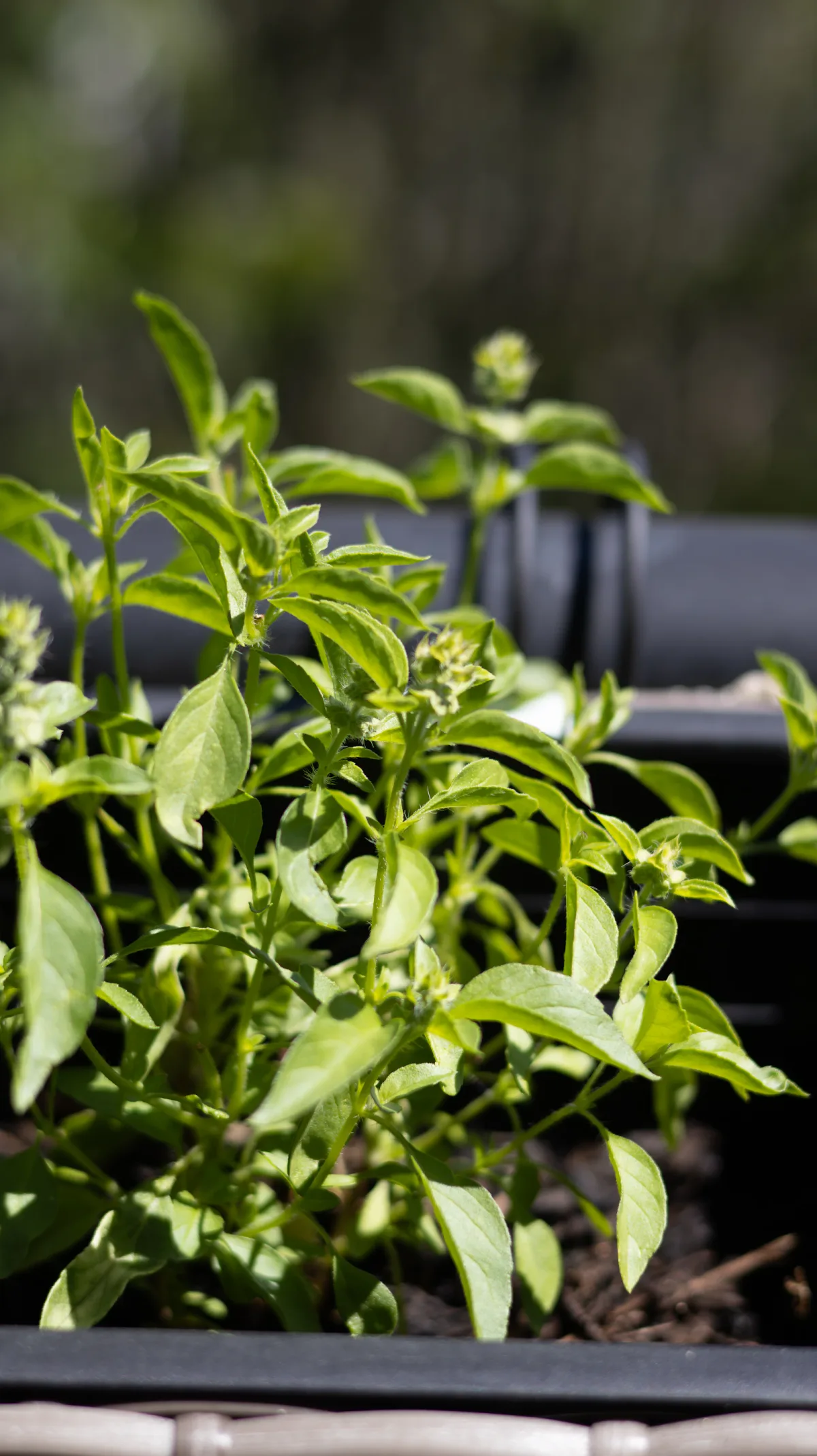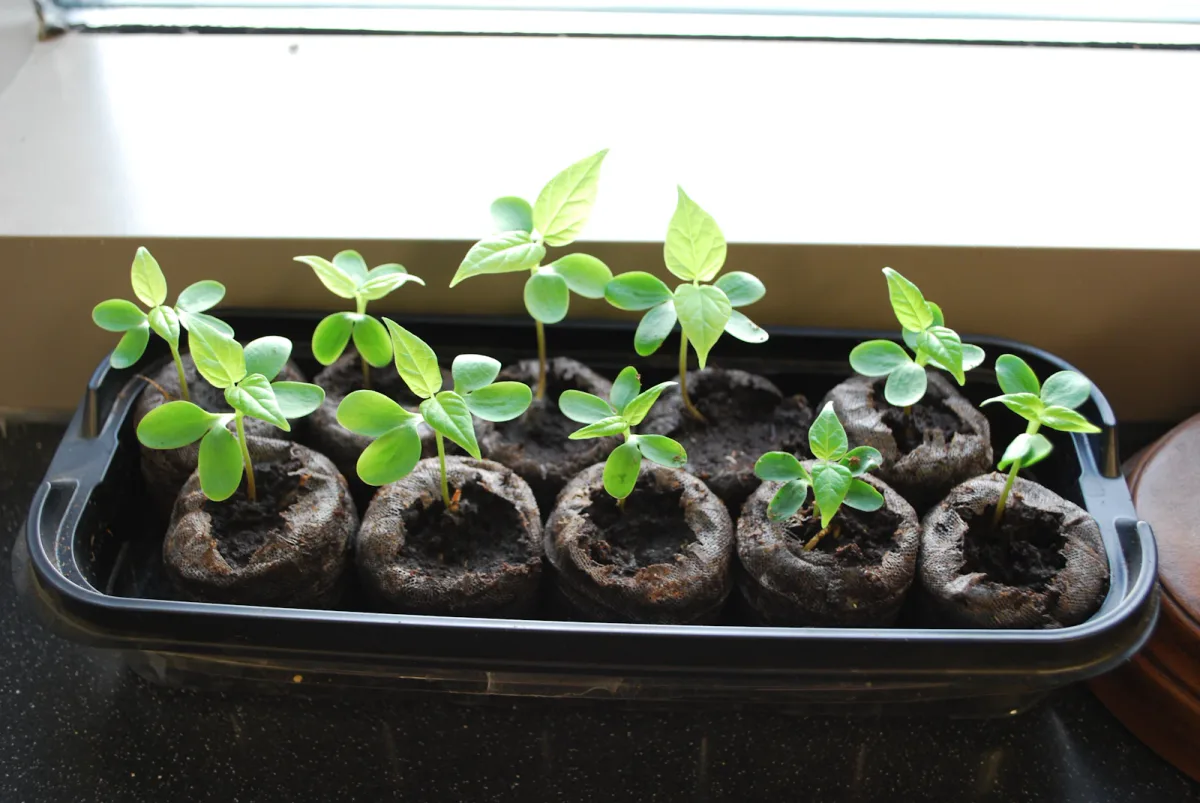
The best vegetables to grow in containers are the ones whose mature size, light needs and watering demands fit the pots and time you have. Leaf lettuce, radishes, compact tomatoes, peppers, bush beans, chard and suitable cucumbers can all earn a place, but they do not belong in interchangeable containers. Choose the crop first, then give its roots and shoots an appropriate home.
A small plant at the nursery is only the beginning of the decision. Check whether it becomes a sprawling vine, a tall supported plant or a compact mound. A label saying “patio” is useful information, but the cultivar's actual dimensions and growing instructions still matter. This field guide helps you compare practical candidates rather than presenting a universal ranking.
Match the vegetable to the available light
Observe direct sun across the proposed position before choosing plants. Fruiting crops such as tomatoes, peppers and cucumbers generally need a sunnier position than leafy vegetables. A cool, bright corner may suit a planting of greens better than a large tomato that spends its season reaching toward a distant patch of sunlight.
The University of Maryland's container guide distinguishes the light demands of warm-season fruiting crops from those of cool-season leafy crops. Treat the distinction as a selection tool, not a promise that every vegetable tolerates any amount of shade. Buildings, balcony roofs and seasonal sun angles can change the available light.
Also ask how hot the position becomes. Reflected heat from paving or masonry can make a nominally sunny spot demanding to water. A pot beneath an overhang may receive almost no rain. These details affect which vegetable is practical, even when the light seems adequate.
Field card: leaf lettuce
Leaf lettuce is a useful candidate when you want small, frequent harvests rather than one large crop. A broad container can hold an orderly sowing, provided the plants are thinned or spaced for the way you intend to harvest. Do not confuse a tray of baby leaves with the room needed by mature individual plants.
Choose a season and cultivar suited to your climate. Heat can shorten the useful leafy stage, so a cool-season planting may be a better first experiment than trying to grow lettuce through the hottest part of the year. Check moisture regularly because the shallow upper part of a container can dry quickly.
Best fit: a gardener who cooks salads regularly and can inspect the planting often. Watch for: crowding, a dry root zone and a mismatch between the variety and seasonal temperature. Harvest clean leaves appropriately and avoid damaging the growing point when you want the plant to continue producing.
Field card: radishes
Radishes offer a clear sowing-to-harvest project and are useful for learning about spacing. Use a container deep enough for the chosen variety, with a fine, workable growing medium. Long-rooted radishes and small round types are not identical projects, so read the packet before buying the pot.
Sow with thinning in mind. A dense band of seedlings is not automatically a productive planting: crowded roots compete for space. Mark the sowing date and check the developing roots as the expected harvest window approaches. Leaving them indefinitely is not a reliable way to obtain larger, better-quality vegetables.
Best fit: someone willing to sow a modest amount and observe it closely. Watch for: unsuitable heat, irregular moisture and delayed harvest. A later small sowing can be more useful than planting the entire packet at once, provided your local season still suits the crop.
Field card: compact tomatoes
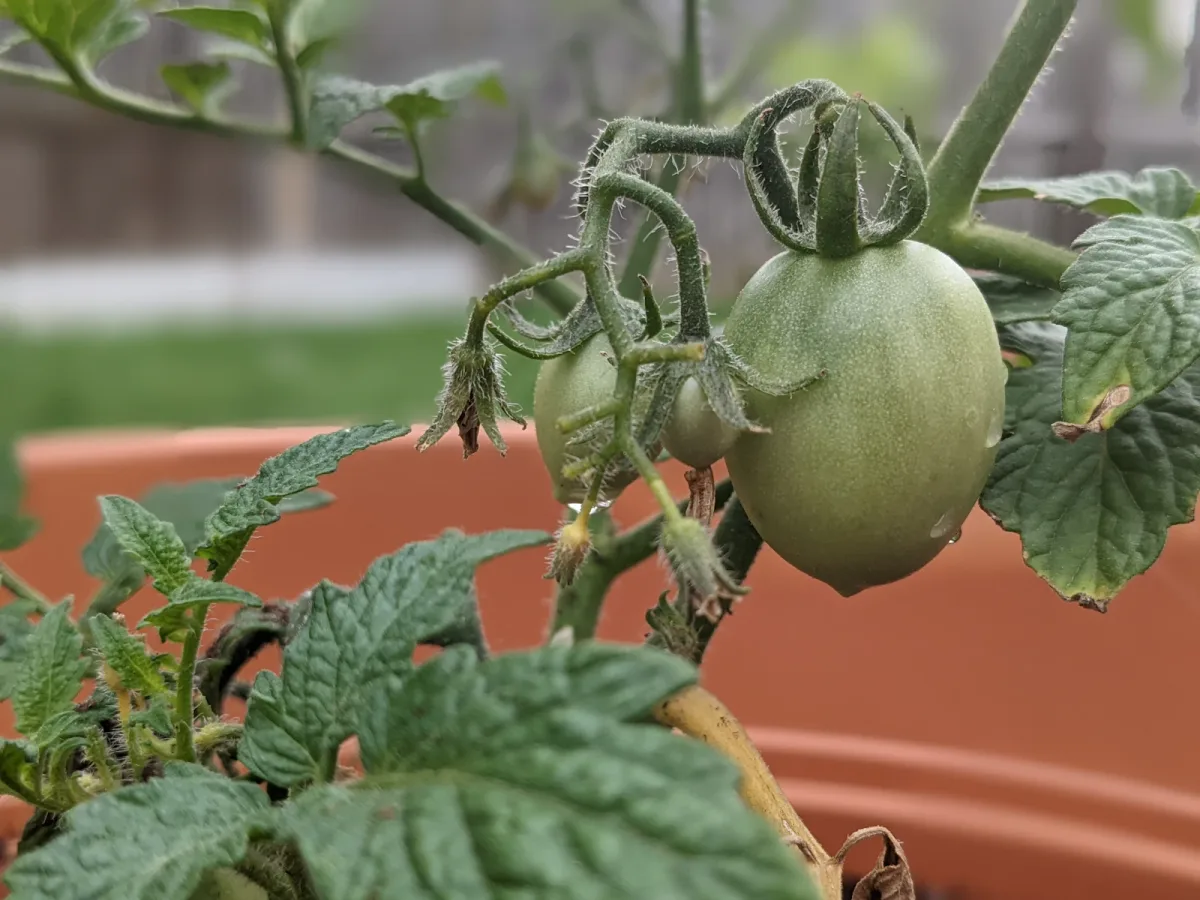
Tomatoes can be rewarding container crops when you choose a manageable growth habit and sufficient root volume. Look for a variety explicitly described for containers or a compact determinate habit, then check the recommended mature size. A cherry-sized fruit does not necessarily come from a small plant.
Plan the support before planting. Even compact plants may need help keeping fruit and stems clear of the ground. Place the container where you can reach it from the sides, inspect lower leaves and water the growing medium without wrestling through a tangle of foliage.
Best fit: a sunny site and a gardener able to monitor moisture consistently during active growth. Watch for: buying an indeterminate vine for a small pot, adding support too late, and allowing the root zone to alternate repeatedly between very dry and saturated conditions. This is a long-season commitment, not a set-and-forget decoration.
Field card: peppers
Peppers often offer a more contained outline than sprawling vegetables, although their size still varies by cultivar. Choose a type you want to cook with and a season warm enough for it to develop. A plant can remain attractive in a pot without having enough suitable weather to produce the harvest you expected.
Use a stable container and be prepared to support a plant carrying heavy fruit. Allow space between neighboring pots for foliage and airflow rather than packing them tightly because the young plants initially look small. Check roots and drainage when growth stalls instead of automatically adding more fertilizer.
Best fit: a sheltered, suitably sunny growing space with an adequate warm season. Watch for: cold conditions, an undersized container and unrealistic expectations from a late planting. Read the description of a hot pepper carefully and handle harvested fruit appropriately for its heat level.
Field card: bush beans
Bush beans can make a practical alternative to climbing beans when vertical support is limited. Their compact habit does not remove the need for spacing and adequate root space, but it makes the eventual shape easier to plan. Follow the sowing conditions and spacing on the selected packet.
Keep access to the developing pods. A container pushed into a narrow corner can make harvesting difficult and encourage missed mature pods. Several plants in a suitable large container may work better than a collection of very small pots, depending on the cultivar and available space.
Best fit: a gardener who wants a direct-sown crop and can harvest regularly. Watch for: sowing into unsuitable cold conditions, crowding and allowing the container to dry badly as the plants develop. A climbing bean is a different layout choice and needs an appropriately secure support.
Field card: chard and leafy greens
Chard is useful when you want an edible plant that also contributes color and structure to a container arrangement. Other leafy greens may be better choices for your local season or preferred cooking. Compare their mature leaf size and growth habit rather than treating all packets marked “greens” as equivalent.
Leave space for leaf expansion and for your hand to reach the stems you intend to harvest. Small seedlings can disappear visually in a large pot, but filling those gaps immediately with more plants may create a crowded mature planting. A drawing of the expected canopy helps prevent that mistake.
Best fit: someone who uses cooked greens and values repeated modest pickings. Watch for: assuming partial shade means a dark position is adequate, neglecting moisture because the crop looks robust, and expecting every leafy species to tolerate the same heat or cold.
Field card: container-suitable cucumbers
Cucumbers can suit containers when the variety, root volume and support are planned together. Look for compact or container-suitable types and read whether the plant is expected to trail or climb. A vine can occupy considerable space beyond the pot itself, including space needed by people.
A supported plant must be stable when the growing medium is wet and foliage catches wind. Ground-level patios and elevated balconies present different safety questions. Do not assume that a light trellis or railing can take an unknown load. Keep the crop away from routes where stems or supports could be knocked over.
Best fit: a sunny position with adequate water and a secure growing arrangement. Watch for: an unsupported vine wandering across a walkway, an undersized container, or selecting a type with pollination requirements that do not suit the location. Verify the cultivar's description rather than guessing from a photograph.
Select the container after narrowing the crops
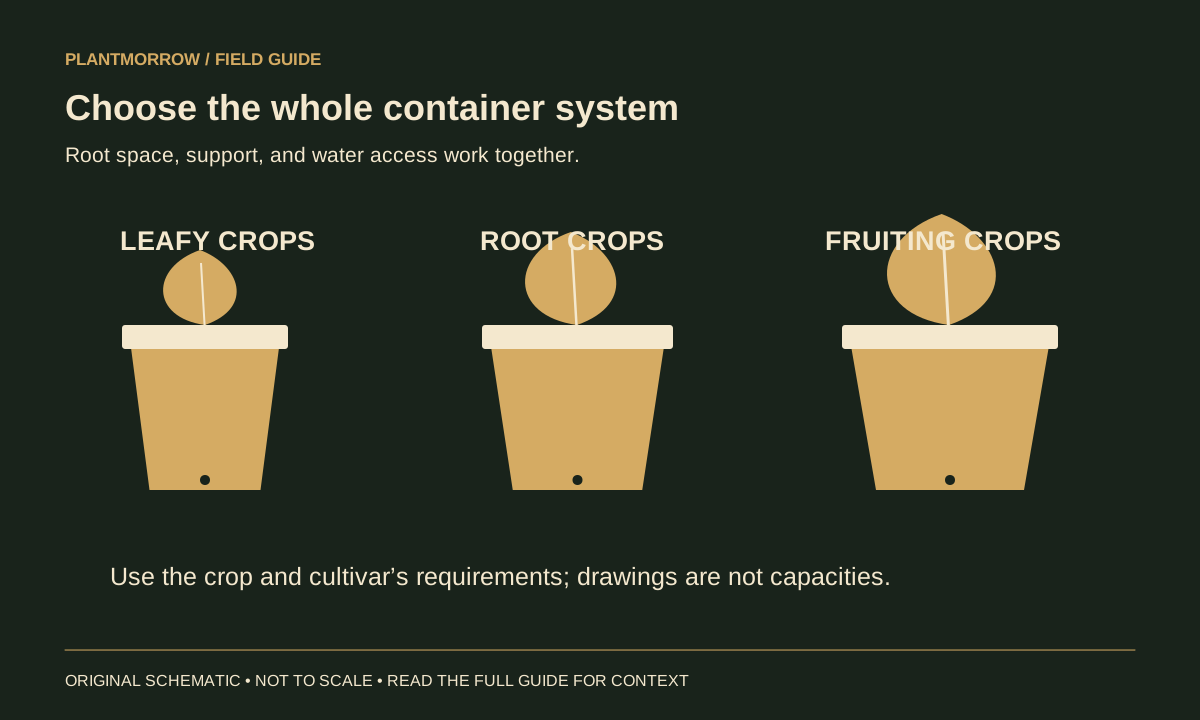
Root volume, drainage and stability matter more than whether all the pots match. Select a depth and capacity appropriate to the specific crop. A wider or larger container usually offers a larger moisture reserve, but it also becomes heavier and may be difficult to move once planted.
Use a suitable container growing medium. Do not fill every pot with dense garden soil simply because it grows plants successfully outdoors. Make sure excess water can escape and that drainage will not create a problem for people or surfaces below. For elevated growing, review planning a balcony garden before arranging large containers.
Avoid containers with unknown chemical histories. Check that decorative outer pots are not trapping drainage water around an inner growing pot. If you are unsure how the medium should behave, the distinctions in choosing a potting mix provide a useful starting point.
Read the variety description as a space plan
Four details on a seed packet or nursery label deserve a second look: mature height, mature spread, support needs and expected harvest timing. These explain more than a picture of the harvested vegetable. Two tomatoes with similarly sized fruit may have very different growth habits, while two cucumbers can require different arrangements for pollination and support.
Check whether the suggested spacing assumes a row in open ground or a container planting. If the label provides little detail, look up that named cultivar with its breeder or a reliable growing guide before buying several plants. Do not substitute the dimensions of a different variety just because the vegetables look similar.
Also decide how long the crop will occupy the pot. A quick seasonal planting leaves options for a later replacement; a large fruiting plant becomes a commitment for much of the growing period. Keeping one flexible container can make a small collection easier to manage than filling every available position with long-season crops at once.
A hypothetical three-container selection
Consider a beginner with a sunny ground-level patio, room for three substantial containers and a convenient tap. Rather than trying seven vegetables, they might choose one compact tomato, a modest planting of bush beans and a container of leaf lettuce grown in an appropriate seasonal window.
That arrangement is an example, not a guaranteed combination for every climate. Its strength is that each pot has a clear purpose and can be watered according to what is happening inside it. The gardener can replace the seasonal lettuce planting without disturbing the longer-term tomato.
Care choices that matter more than a ranking
Check the growing medium before watering, and look beyond the top surface when necessary. The Maryland maintenance guide emphasizes that watering needs change with plant size, container volume and conditions. There is no single interval that works for every pot throughout the season.
Water thoroughly when needed, allow drainage, and avoid leaving ordinary containers standing in a reservoir of unwanted water. Feeding also needs context: take account of nutrients already in the medium and follow the fertilizer label. A poor light position or damaged root system is not corrected simply by feeding more often.
Inspect leaves, stems and supports during routine watering visits. Keep harvest tools clean, remove weeds while small and record the cultivar names. If you are starting a broader edible-growing project, connect these pots to the plan in starting a small vegetable garden rather than treating each purchase as an unrelated experiment.
Make the harvest fit your household
A small container collection works better when you can use what it produces at the right stage. Consider who will harvest during a busy week and whether the crop needs frequent picking. A plant chosen only for an attractive catalog photograph may become frustrating if its useful harvest arrives when nobody wants to prepare it.
Keep a record of the varieties that were enjoyable to care for as well as those that produced food. Watering effort, access and timing are part of a vegetable's practical value. Next season, repeat one successful choice and change one problem crop instead of replacing the entire collection without understanding its performance.
Frequently asked questions
Which vegetable is the easiest starting point?
Choose according to your conditions and habits. Leaf lettuce in a suitable cool season, radishes with appropriate root space, or bush beans in suitable weather can be manageable projects. The easiest crop is one whose needs you can actually meet.
Can I grow several vegetables in one pot?
Sometimes, but account for their mature size, roots and water needs. A mixed container requires enough volume and a deliberate plan. Separate pots make it easier for a beginner to adjust care and remove a finished crop without disturbing its neighbors.
Do container vegetables need daily water?
Some do during hot, active growth; others do not. Inspect the root-zone moisture and the plant instead of treating daily watering as a rule. Small containers and exposed positions can become demanding quickly, while cool conditions slow water use.
What should I buy first?
Choose one or two crops, read their cultivar instructions and measure the space they will occupy at maturity. Then select containers, supports and growing medium. Buying a matching set of small pots first can force you into compromises that the plants cannot overcome.
Read further
Sources & further reading
Selected horticultural references used to inform this guide. Local conditions and species-specific advice still matter.
Prepared with AI assistance for Plantmorrow. No independent expert review or first-hand growing trial is claimed. Our editorial approach · Suggest a correction.