Choose a houseplant pot by working from the roots outward: the plant needs a suitable volume of growing medium, reliable drainage, and a container you can inspect and empty. Shape, material, weight, and appearance come next. The most beautiful pot is not the right pot if it keeps the roots wet or makes routine care impractical.
There are two sound ways to assemble the display. You can plant directly into a container with drainage holes, or keep the plant in a removable nursery pot inside a decorative outer pot. This comparison desk explains both systems, weighs common materials, and gives you a practical checklist for choosing a pot without buying more space than the root system can use.
Compare the two pot systems first
Direct planting in a drainage pot
In this arrangement, roots and medium sit directly inside the visible container. Excess water leaves through holes in the bottom and collects in a suitable saucer or drains into a sink. There is only one pot to inspect, but its material and weight affect the entire care routine.
This can work well when the container is appropriately sized, the holes stay open, and you can remove runoff easily. It becomes awkward if a heavy decorative pot cannot be moved and its saucer is inaccessible. Think about the real location before choosing a large floor container: watering is not finished until drainage has somewhere safe to go.
A nursery pot inside a cachepot
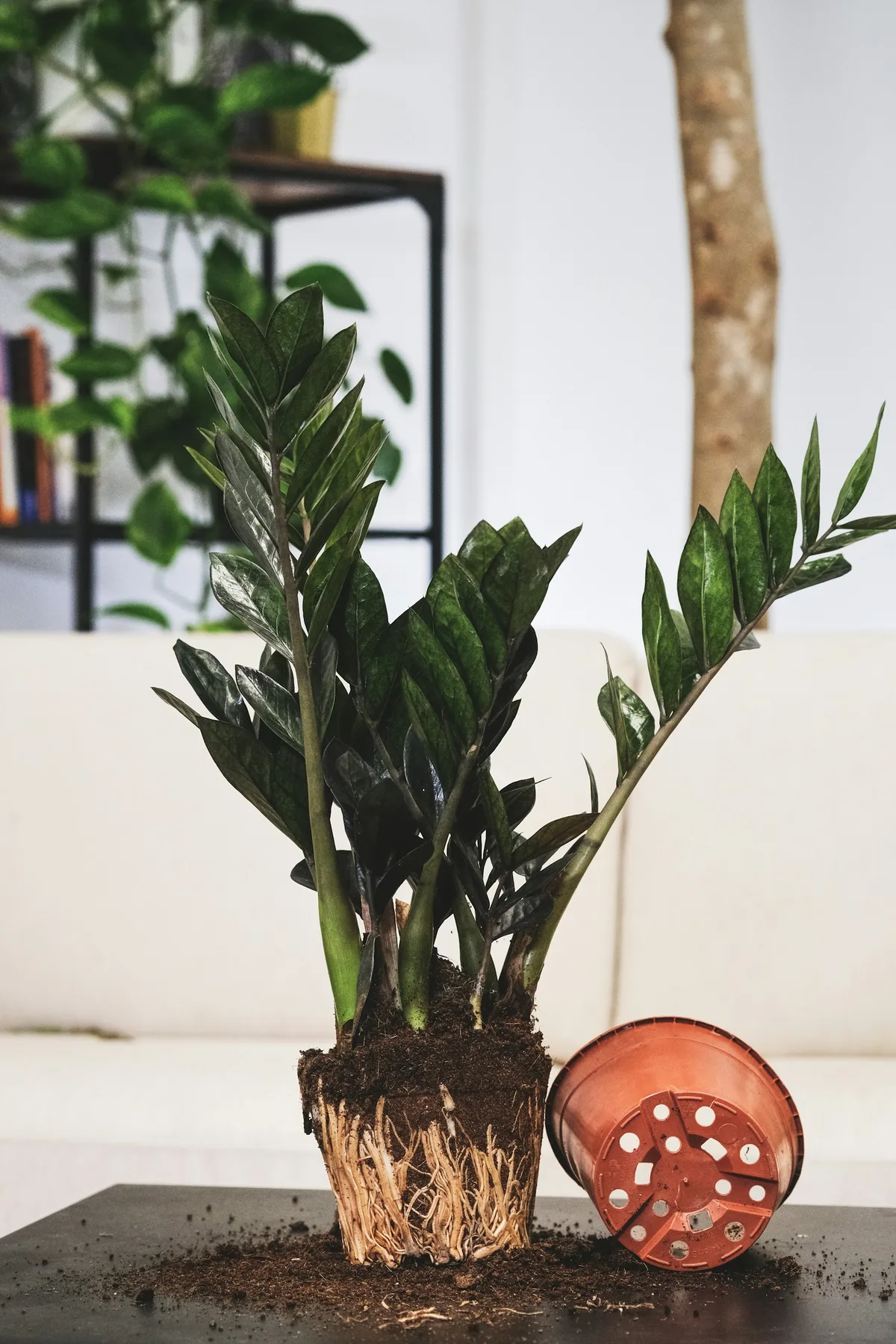
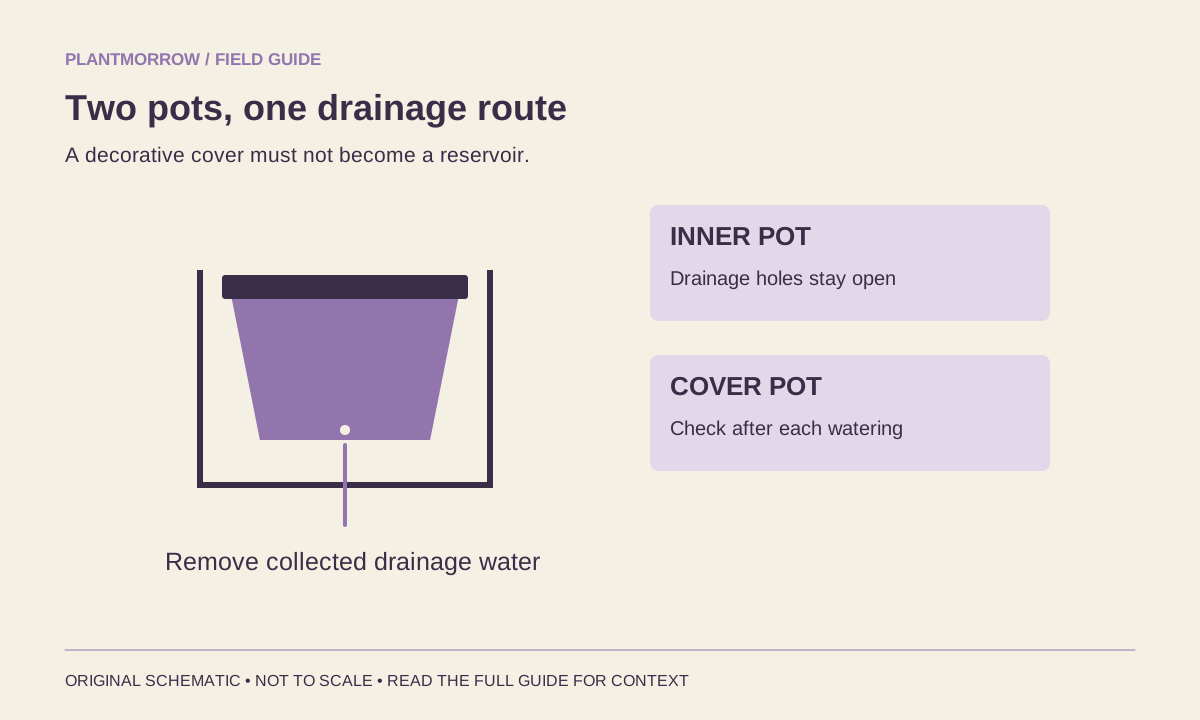
A cachepot is the decorative outer container, not necessarily a planting container. Keeping a removable nursery pot inside it separates the growing system from the display. You can take the inner pot out to water, inspect its base, and return it after draining.
The important limitation is hidden water. A closed outer pot can collect runoff beneath the nursery container, where you may not see it from above. Remove the inner pot regularly and check the bottom. Leave enough clearance to lift it comfortably; a beautifully tight fit becomes frustrating when wet roots and trapped water need attention.
Material comparison at a glance
| Material | Useful characteristic | Main compromise | What to inspect |
|---|---|---|---|
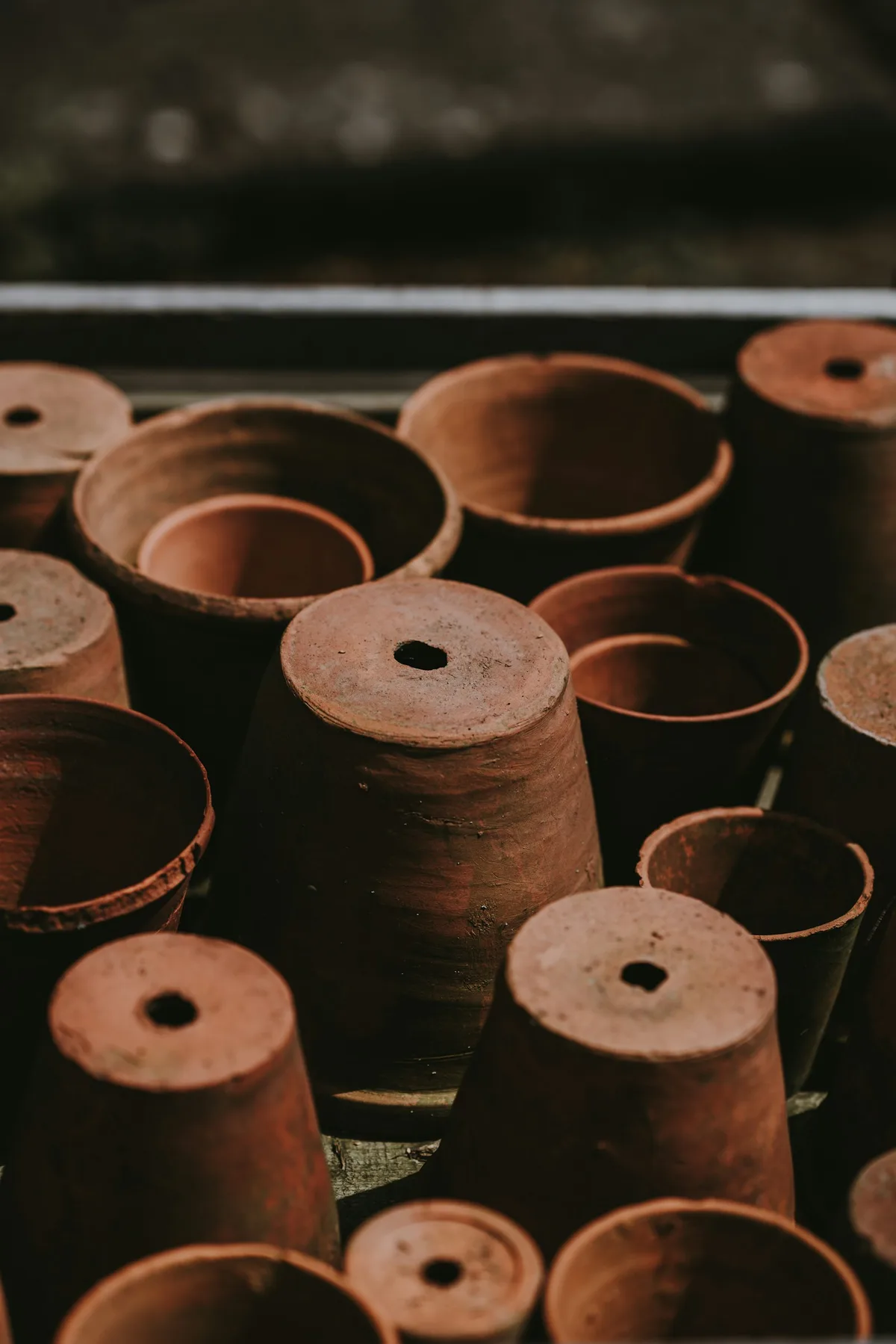
| Unglazed terracotta | Porous walls and a traditional, stable feel | Can dry faster and break if dropped | Hole size, cracks, weight |
| Plastic nursery pot | Light, removable, easy to inspect | Needs a suitable outer display if appearance matters | Open drainage and structural strength |
| Glazed ceramic | Decorative finish and substantial weight | Often retains moisture and may lack drainage | Actual holes, internal dimensions |
| Metal outer container | Durable-looking decorative shell | May be unsuitable for direct planting | Inner liner, drainage, heat exposure |
The table describes tendencies, not a promise that every product behaves identically. Wall thickness, shape, location, and the growing medium can change the experience. Maryland Extension compares common container materials, including the different moisture behavior of clay, glazed ceramic, and plastic.
Measure the root ball, not the leaves
A plant’s tall stems or broad foliage can make a very large pot look proportionate, but leaf size does not tell you how much moist medium its roots can use. Inspect the current root ball and container. Look for severe crowding, a medium that has become difficult to manage, and whether the plant genuinely needs more growing room.
For a routine move, a modest increase is generally more manageable than jumping to a dramatically larger pot. The exact size depends on the species, root condition, and container shape. Do not apply a fixed increase without looking at the plant. A wide shallow pot and a narrow deep pot can have similar advertised diameters but very different volumes.
Measure inside the rim and near the base. Decorative lips, thick walls, and tapered sides reduce usable space. If you are shopping for a cachepot, measure the nursery pot including any projecting rim, then check whether you can grasp it after insertion. A fit that works on a shop shelf may be too tight to handle safely at home.
Read the drainage design carefully
A drainage hole should allow excess water to leave the root zone, but the surrounding setup determines whether it can do that job. A pot resting in collected water is still a wet-root environment. Check the saucer, liner, outer pot, and surface beneath the display as one system.
Do not assume that a decorative plug creates drainage while it remains fitted. If the plant is directly planted, the plug may need to be removed during appropriate watering and the runoff handled safely. If removing it is impossible without disturbing the display, a removable nursery pot may be a better choice.
Avoid adding a thick gravel layer as a substitute for a workable hole. It takes up root space and does not turn a sealed container into a drainage pot. Maryland’s container-growing guidance also cautions against relying on a gravel layer to improve drainage. The principle matters indoors even when the plants are ornamental rather than edible.
Match the material to the plant and your habits
When terracotta is a useful choice
Unglazed clay may be helpful when you need a container that loses moisture more readily and provides some physical stability. Its porous walls are part of the reason it can behave differently from plastic. That does not make it automatically ideal for every succulent or every room.
Consider whether you can keep up with the resulting inspection pattern, especially in a warm, bright position. A small terracotta pot can become inconvenient for a plant that prefers more even moisture. Mineral marks and variations in surface appearance may also develop over time; decide whether you regard that as normal material character or an unwanted maintenance issue.
When plastic is the practical answer
A nursery pot is often the easiest container to lift, compare by weight, or replace after a measured size increase. It works especially well inside a decorative outer pot when you want to preserve access to the root zone. Appearance does not need to determine the material touching the roots.
Check that the base is not crushed, holes are not blocked, and the sides are strong enough for the plant. A very light container can become unstable beneath tall growth. Solve that with a suitable display arrangement rather than burying a small root ball in excessive medium simply to obtain more weight.
When ceramic needs an extra decision
Glazed ceramic can be an excellent decorative shell, but inspect the particular product rather than trusting the word “planter.” Many attractive vessels have no hole. Decide whether you will use one as a cachepot or choose a different item for direct planting.
Its weight can make inspection harder. Before filling it, practice lifting the empty pot, check where the saucer will sit, and allow for the additional weight of wet medium. A container that is manageable empty can be awkward once planted. If the display is on a shelf, confirm that the furniture is appropriate for the finished load.
Three hypothetical buying decisions
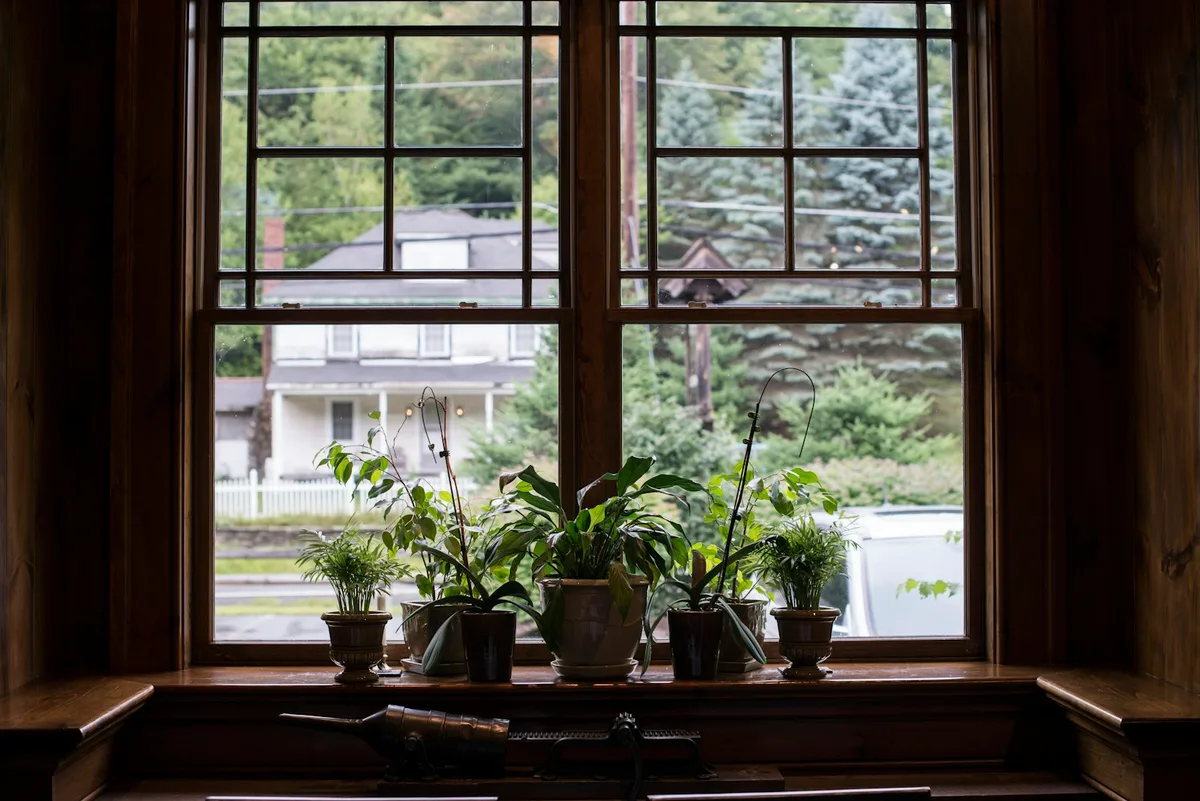
A small snake plant on a dim shelf. The plant has a compact root system, and its existing medium dries slowly. A much larger glazed container would add more wet medium without solving a root-space problem. Keeping a correctly sized drainage pot inside a suitable decorative shell is the simpler starting point.
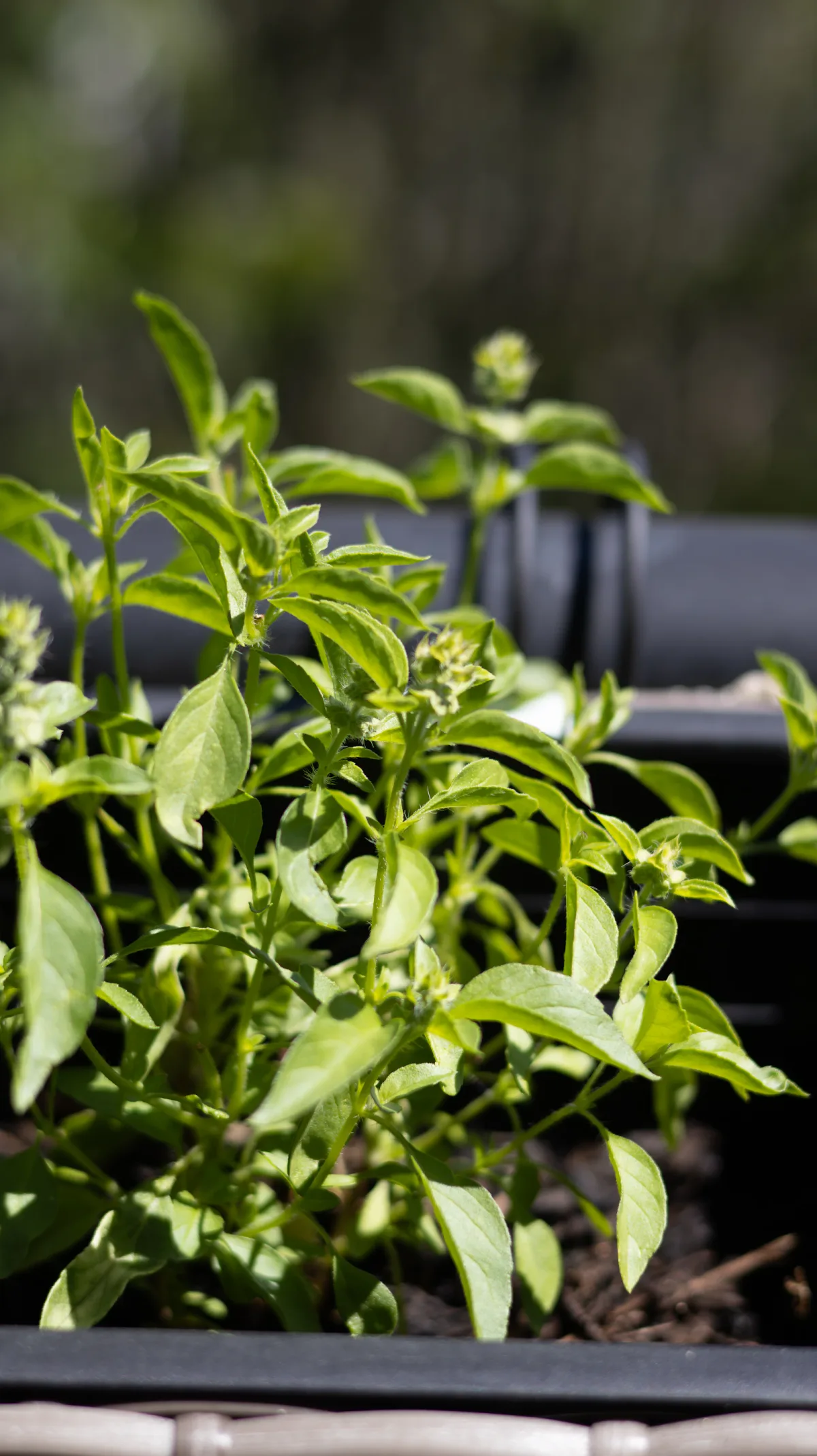
A leafy plant near a bright window. Its current small pot dries quickly, and inspection shows substantial root crowding. A modestly larger drainage pot may be sensible, alongside a suitable fresh mix. The decision comes from the root ball and drying pattern, not from a rule that all plants must be repotted each spring.
A tall floor specimen in a busy room. Stability, care access, and protection of the floor are important. A substantial outer container can help organize the display, provided the inner pot remains accessible and runoff can be removed. Keep walkways clear and avoid relying on a precarious stand to make an unsuitable container fit.
These examples illustrate trade-offs rather than tested product recommendations. For the actual move, follow the repotting workshop, then reassess watering under the new conditions.
A shop-floor checklist you can use
Take measurements and a photograph of the current nursery pot before shopping. Include the external diameter, height, and any handle-like rim. Note the root ball’s condition and the intended location. This prevents choosing a container that looks right in isolation but cannot hold the plant or be removed from its display.
Inspect the candidate for damage, sharp edges, sealed drainage, and an unstable base. Set it on a flat surface and check whether it rocks. If a saucer is included, confirm that it is usable rather than purely decorative. Think through what happens when water runs out of the bottom, including protection of timber, rugs, and electrical equipment nearby.
If the plant will remain in a nursery pot, test the clearance without forcing it. Leave room to grasp and lift the inner pot. If the pot is for direct planting, look at the real internal planting space rather than the packaging dimensions. The RHS houseplant growing guide provides broader context for choosing pot size and appropriate compost.
Check a reused container before filling it
A previously used pot can still be a good choice, but inspect it as carefully as a new one. Remove old medium so you can see the base and drainage holes. Check for concealed cracks, rough edges, and deposits that make it difficult to judge the surface. Make sure a reusable saucer or liner has not become distorted and no longer sits securely beneath the pot.
Clean containers before reuse, and obtain plant-health guidance if the previous occupant had a suspected disease problem. Do not transfer old, contaminated medium into a fresh planting simply to save a small amount of mix. Avoid improvising mixtures of cleaning chemicals: follow the product instructions and keep cleaning separate from the planting workspace.
Once the pot is ready, repeat the practical fit test. A container does not become suitable merely because you already own it. If the root ball is too small for its volume, keep it for another plant or use it as an outer display rather than forcing the current plant into it.
Mistakes that a better pot will not fix
A larger container cannot compensate for inadequate light. It also cannot turn an unsuitable growing medium into an airy, species-appropriate mix. If a plant is struggling, separate the questions: does it need more root space, different medium, better light, or a change in watering?
Repotting repeatedly can obscure the real cause of trouble. A plant that remains wet for a long time may need less frequent watering or better growing conditions, not another increase in volume. Read the potting-mix comparison before treating the container as the only part of the root environment.
Do not choose for a distant imagined future size at the expense of present root health. You can reassess the plant as it grows. The aim is a workable container now, with room for appropriate development, rather than the biggest pot that fits the room.
Frequently asked questions
Can I use a decorative pot without a hole?
Yes, as an outer cachepot around a removable drainage pot, provided you can inspect it and remove collected water. Direct planting into a sealed decorative vessel is harder to manage and is not the default recommendation here. A visible container can be attractive without being the container that holds the roots.
Are self-watering pots always easier?
They can be useful when the plant, medium, and reservoir design are compatible. They still require correct setup and inspection. Do not assume a reservoir suits every drought-tolerant plant or that it eliminates the need to learn the system. Follow the manufacturer’s guidance and the plant’s actual requirements rather than filling it automatically.
Should every new plant receive a larger pot immediately?
No. Inspect the root ball, medium, and drainage before deciding. A healthy plant in an appropriate nursery pot can often remain there while you learn its conditions. Repot when there is a reason, not simply because the nursery container seems plain. A decorative outer pot can change the display without disturbing the roots.
Which matters more, material or drainage?
Both contribute to the system, but an attractive material cannot make trapped water harmless. Begin with a workable drainage arrangement and appropriate volume, then choose material according to the plant, location, and your care habits. A simple plastic pot used thoughtfully can be more practical than a beautiful container with no manageable runoff route.
Make the final choice in this order
Confirm the plant’s needs and root-ball size, choose an appropriate volume, establish drainage, and check care access. Then compare materials, stability, and appearance. This order keeps the growing system functional while leaving plenty of room for a display you enjoy. The right pot supports the plant and fits the person who will look after it.
Read further
Sources & further reading
Selected horticultural references used to inform this guide. Local conditions and species-specific advice still matter.
- Potting and Repotting Indoor Plants — University of Maryland Extension
- How to Grow Houseplants — RHS
- Container Gardening — University of Maryland Extension
Prepared with AI assistance for Plantmorrow. No independent expert review or first-hand growing trial is claimed. Our editorial approach · Suggest a correction.